
Hawala has gone digital, and it enters through ordinary accounts
A September 2026 FATF report finds underground banking among the main professional money-laundering channels in more than 80% of reporting jurisdictions. Its entry and exit points are bank accounts, fintech wallets and stablecoins.

On 3 September 2026 the Financial Action Task Force published a report on how professional money launderers use underground banking, hawala and other similar service providers. It draws on evidence from more than 50 jurisdictions. More than 80% of the jurisdictions that responded named these systems among their principal professional money-laundering channels, and some cases involved more than EUR 500 million laundered within a few months.
The report describes networks that now run as businesses, selling "money laundering as a service" at low commission and moving large volumes across borders quickly. Nearly 70% of respondents reported a shift to "digital hawala": operators coordinating over encrypted messaging apps, customers paying in through bank transfers, wallets and instant payments, and operators settling balances with each other in virtual assets, including stablecoins. Purpose-built hawala apps have also been found.
The formal financial system is where the money enters and leaves. The FATF names bank accounts, fintech platforms, payment service providers, virtual IBANs, prepaid cards and virtual-asset wallets as entry and exit points. It also warns of growing involvement by lawyers, accountants, auditors, notaries, company formation agents, financial consultants, real-estate agents, and casinos and junket operators. The proceeds now include fraud and cyber-enabled crime, not only drugs and smuggling.
Why trading groups should take note
Hawala operators have long settled with each other through trade, cash and net settlement over time. When settlement runs through trade, a real shipment can carry an invoice that does not match the goods, and a distributor, freight agent or overseas buyer can sit inside a settlement chain without the seller realising it. Groups that buy, sell or re-export through the Gulf should expect their banks to ask harder questions about counterparties, pricing and payments made by third parties.
The FATF's focus for the next two years
The FATF's UK Presidency, which began on 1 July 2026 and runs to 30 June 2028, has said it will concentrate on the international response to fraud, including the money-laundering risks from scam compounds, alongside risk-based supervision and information sharing between the public and private sectors. In June the Plenary approved a public consultation on guidance for the strengthened Recommendation 16 on cross-border payment transparency, aimed in particular at fraud. India's Vivek Aggarwal was appointed FATF Vice-President for July 2026 to June 2027.
When a payment arrives from someone other than the customer, the question is not only who paid, but why.
What to do now
- Map third-party payments: who pays you on a customer's behalf, whom you pay on behalf of others, and the business reason in each case.
- Test trade pricing and volumes against market rates for counterparties in higher-risk corridors.
- Screen distributors, agents and freight intermediaries for ownership, related parties and adverse media in every jurisdiction they work in.
- Treat a request to settle through a third country, a personal account or a virtual-asset wallet as a red flag that needs a documented explanation.
- Brief finance and sales teams on these signs, because they see the payment requests first.
Facing a similar question? Speak to the partner who leads this work.
More from The BDI Lookout.
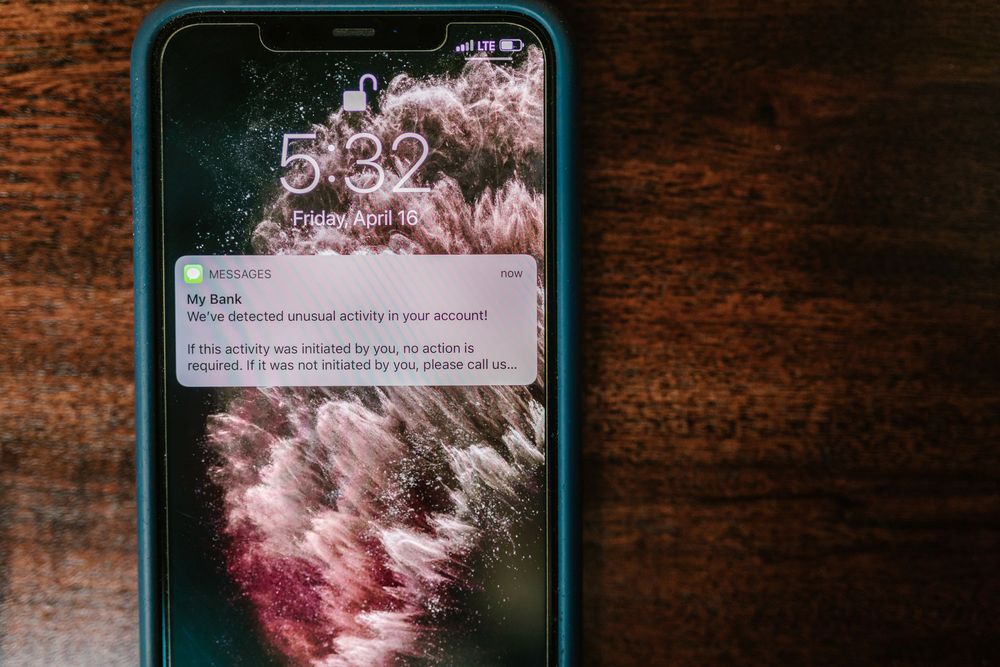
Mule accounts: the RBI wants suspect money held before it moves
A draft procedure gives banks one way to place temporary debit holds, with a 60-day ceiling and a duty to explain. Telecom risk scores have already kept more than ₹5,000 crore in victims' accounts.
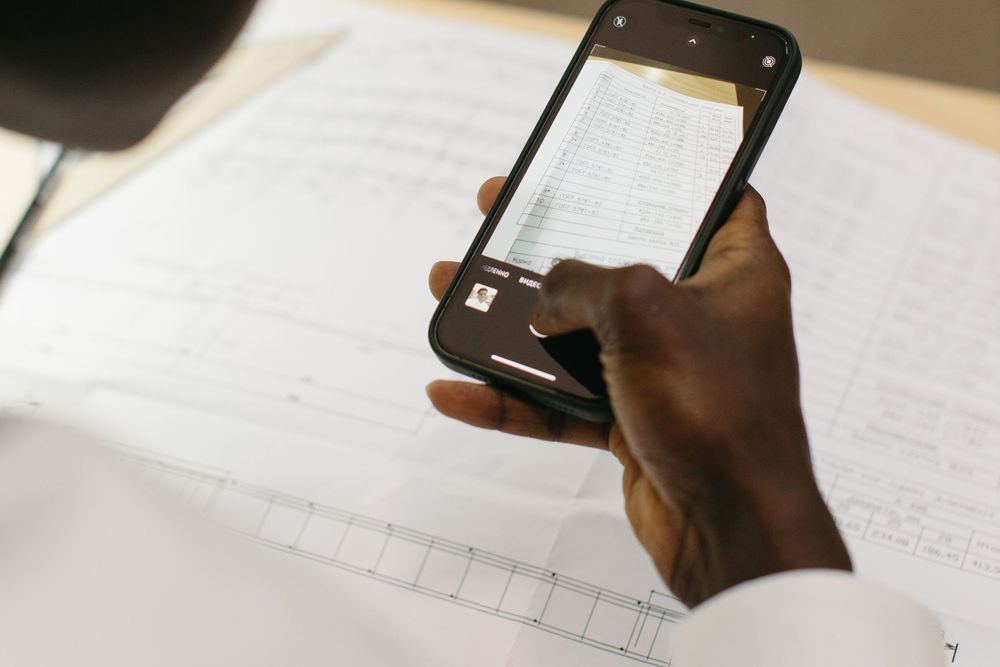
Video KYC is only as strong as the checks behind the call
The RBI's consolidated KYC Directions spell out what a remote onboarding has to prove. Rented identities and spoofed video test every one of those safeguards.
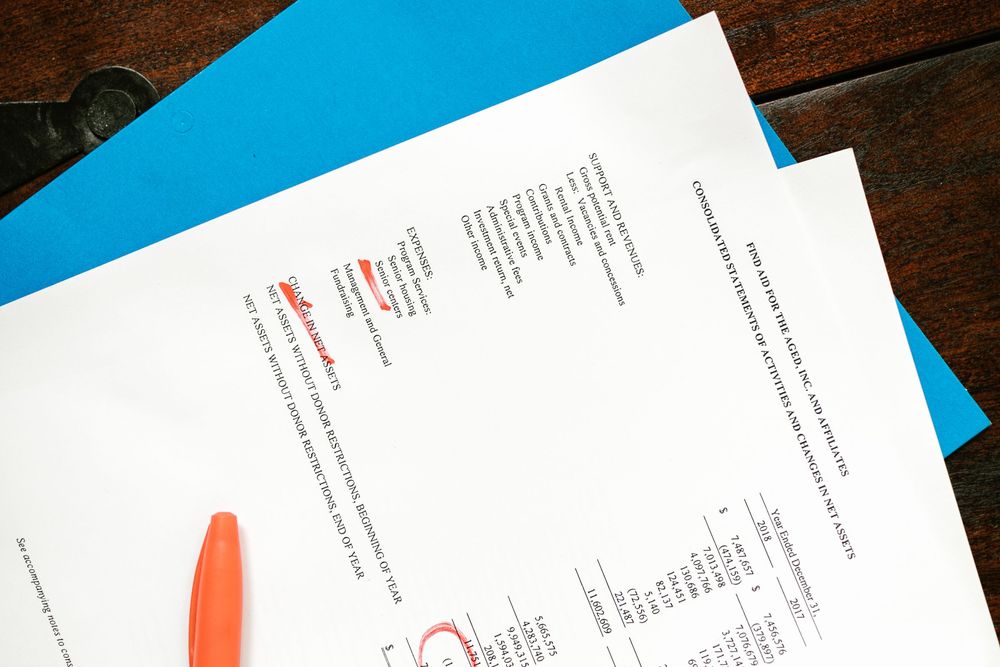
Most frauds give warning. The ACFE's 2026 study shows the cost of waiting.
Across 2,402 cases, 84% of perpetrators showed at least one behavioural red flag before they were caught. Frauds found within six months cost a fraction of those that ran for years.